
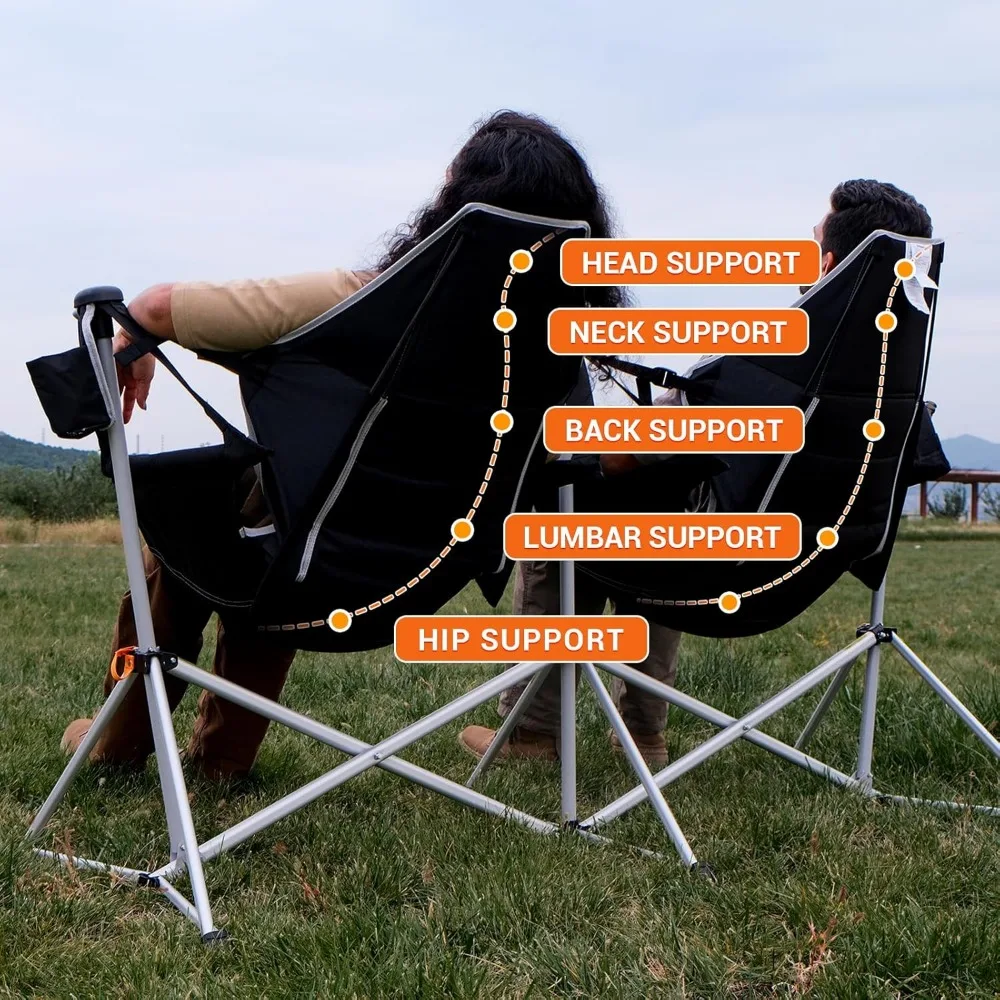
Introduction: Why Folding Hammocks Are a Road Trip Essential
Road trips offer freedom and adventure, but they also mean long hours of driving that can leave you stiff and tired. This is where folding hammocks come in – they transform ordinary rest stops into rejuvenating relaxation zones. Unlike traditional hammocks that require permanent installation, folding hammocks are specifically designed for portability and quick setup, making them perfect companions for travelers.
Folding hammocks come in various designs – from ultralight fabric hammocks that pack down incredibly small to complete systems with collapsible stands that require no trees. The beauty of these portable systems is their versatility – they work at roadside rest areas, scenic lookouts, campgrounds, or even hotel balconies.
The proper folding hammock can dramatically enhance your road trip experience by providing comfortable rest between drives, an alternative to uncomfortable picnic tables, or even an overnight sleeping option. When selecting the hammocks for this guide, we evaluated portability, setup speed, comfort, durability, and weight capacity to ensure they meet real road trip needs.
Understanding different indoor-outdoor hammock placement options can help you make the most of your portable relaxation system, whether you’re at a rest stop or settling in for the night at a campsite.
In this guide, we’ll walk you through our top folding hammock selections, explain the different types available, and provide a comprehensive buying guide to help you choose the perfect option for your travel style.
Our Top 6 Folding Hammocks for Road Trip Adventures
Selecting the perfect hammock for road trips requires balancing multiple factors. Our team evaluated dozens of options based on real-world testing during actual road trips. We considered how quickly each hammock sets up, how much vehicle space it requires, comfort during use, durability through repeated packing and unpacking, and weight capacity.
The following selections represent the best options across different categories, accommodating various needs, preferences, and budgets. From ultralight systems that barely take up space in your vehicle to complete stand-based options that work anywhere, these recommendations cover the full spectrum of road trip relaxation solutions.
Each hammock was tested in multiple locations to assess versatility, and special attention was given to how the hammock installation requirements and safety guidelines impact usability during road trips.
Best Overall: Premium Portable Hammock with Quick-Deploy Stand
This exceptional all-in-one system balances portability with convenience, offering a complete hammock experience without requiring trees or other anchor points. It features an ingenious frame design that unfolds and locks into place with minimal effort, supporting a comfortable fabric hammock perfectly tensioned for optimal relaxation.
Specifications:
– Packed dimensions: 34 × 8 × 8 inches (86.4 × 20.3 × 20.3 cm)
– Deployed dimensions: 94 × 31 × 40 inches (238.8 × 78.7 × 101.6 cm)
– Weight: 26 pounds (11.8 kg)
– Weight capacity: 300 pounds (136 kg)
– Setup time: Under 2 minutes
Pros:
– Complete self-standing system requires no trees or anchors
– Remarkably quick setup with intuitive folding mechanism
– Premium weather-resistant materials ensure durability
– Comfortable fabric with perfect tension and support
– Includes carrying case with shoulder strap for transport
Cons:
– Heavier than traditional hammocks without stands
– Higher price point than basic options
This system excels during road trips where you want guaranteed relaxation regardless of your surroundings. Whether you’re at a treeless rest area or a scenic overlook with limited anchoring options, this hammock delivers consistent comfort with minimal setup time. Browse our collection of folding hammock sets for similar versatile options that combine convenience with quality.
Best Lightweight: Ultracompact Foldable Travel Hammock
For road-trippers concerned with maximizing vehicle space, this ultralight hammock offers an impressive combination of minimal packed size with surprising comfort. Made from high-strength ripstop nylon, it compresses down to about the size of a large sandwich yet expands to provide a full-sized relaxation space.
Specifications:
– Packed dimensions: 5 × 4 × 2 inches (12.7 × 10.2 × 5.1 cm)
– Deployed dimensions: 108 × 54 inches (274.3 × 137.2 cm)
– Weight: 10 ounces (283 grams)
– Weight capacity: 300 pounds (136 kg)
– Setup time: 3-5 minutes (including finding suitable anchor points)
Pros:
– Incredibly compact when packed – fits in glove compartment
– Ultra-lightweight adds negligible weight to your travel gear
– Breathable fabric prevents overheating in warm weather
– Quick-dry material handles morning dew or light rain
– Includes tree-friendly straps with multiple attachment points
Cons:
– Requires finding suitable trees or anchor points
– Setup takes slightly longer than stand-based systems

This hammock is perfect for minimalist travelers or those with smaller vehicles where space is at a premium. It’s also an excellent option as a secondary hammock that you can always keep in your vehicle for impromptu relaxation opportunities. Our ultralight camping hammock sets collection includes more lightweight options perfect for travelers who value space efficiency.
Best Hammock with Stand: All-in-One Folding System
When absolute versatility is your priority, this integrated hammock and stand system delivers exceptional performance. The innovative design features a sturdy aluminum frame that folds down into a relatively compact package while providing rock-solid stability when deployed.
Specifications:
– Packed dimensions: 40 × 6 × 6 inches (101.6 × 15.2 × 15.2 cm)
– Deployed dimensions: 95 × 31 × 35 inches (241.3 × 78.7 × 88.9 cm)
– Weight: 21 pounds (9.5 kg)
– Weight capacity: 275 pounds (124.7 kg)
– Setup time: Under 3 minutes
Pros:
– Complete solution works in any environment
– No need for trees, posts, or other anchor points
– Stable design with low center of gravity
– Tool-free assembly with intuitive folding mechanism
– All components stay connected – no small parts to lose
Cons:
– Heavier than traditional hammock-only systems
– Requires more vehicle storage space
This system truly shines when you unfold your adventure with a folding hammock in locations where traditional hammocks simply won’t work. It’s perfect for beaches, desert landscapes, grassy fields, or paved rest areas. The ability to set up anywhere significantly expands your relaxation opportunities during road trips.
Best Double Hammock: Spacious Two-Person Folding Design
This generously sized hammock provides ample space for couples or extra room for solo loungers who prefer a roomier relaxation experience. Despite its expanded dimensions, clever design allows it to pack down surprisingly small.
Specifications:
– Packed dimensions: 8 × 6 × 4 inches (20.3 × 15.2 × 10.2 cm)
– Deployed dimensions: 120 × 78 inches (304.8 × 198.1 cm)
– Weight: 25 ounces (708 grams)
– Weight capacity: 500 pounds (226.8 kg)
– Setup time: 4-6 minutes
Pros:
– Expansive fabric provides plenty of room for two adults
– High weight capacity supports couples comfortably
– Triple-stitched edges ensure durability under full load
– Wide design allows diagonal lying for flatter positioning
– Includes reinforced attachment points for added safety
Cons:
– Requires sturdier anchor points than single hammocks
– Slightly heavier and larger when packed than solo options
Perfect for traveling couples or families, this hammock allows shared relaxation experiences during road trip breaks. The extra width also makes it more versatile for different lounging positions. Our portable hammocks and stands collection includes more options that provide generous space while maintaining road-friendly portability.
Best Budget-Friendly: Affordable Road Trip Relaxation
This value-focused hammock proves that quality road trip relaxation doesn’t require a premium price tag. With thoughtful design choices that prioritize essential features while minimizing costs, it delivers a satisfying experience for occasional users or those new to hammock relaxation.
Specifications:
– Packed dimensions: 7 × 5 × 3 inches (17.8 × 12.7 × 7.6 cm)
– Deployed dimensions: 108 × 55 inches (274.3 × 139.7 cm)
– Weight: 18 ounces (510 grams)
– Weight capacity: 250 pounds (113.4 kg)
– Setup time: 3-4 minutes
Pros:
– Excellent value-to-quality ratio
– Durable enough for regular use with proper care
– Simple setup process with included straps
– Compact storage in included compression sack
– Available in multiple colors to match personal preference
Cons:
– Less robust stitching than premium options
– Basic accessories without extra features
This hammock is ideal for those trying hammock relaxation for the first time or travelers on a tight budget. It covers all the basics needed for enjoyable road trip breaks without unnecessary frills that drive up costs.
Most Comfortable: Luxury Lounging Hammock System
When comfort is your absolute priority, this premium hammock system elevates road trip relaxation to new heights. Thoughtful ergonomic design combined with high-end materials creates an exceptional lounging experience that might make you extend your rest stops longer than planned.
Specifications:
– Packed dimensions: 22 × 8 × 8 inches (55.9 × 20.3 × 20.3 cm)
– Deployed dimensions: 115 × 48 × 40 inches (292.1 × 121.9 × 101.6 cm)
– Weight: 18 pounds (8.2 kg)
– Weight capacity: 350 pounds (158.8 kg)
– Setup time: 4-5 minutes
Pros:
– Ergonomically designed for optimal body alignment
– Premium fabric with subtle stretch for perfect support
– Padded edges prevent uncomfortable pressure points
– Integrated adjustable pillow enhances neck support
– Stabilizing design minimizes unwanted swaying
Cons:
– Higher price point reflects premium materials
– Larger packed size requires more vehicle storage space
For those who value superior comfort and are willing to allocate more vehicle space, this system transforms ordinary breaks into rejuvenating experiences. It’s especially valuable on longer road trips where quality rest becomes increasingly important. Our quick-setup hammock sets include more options that prioritize comfort without sacrificing too much portability.
Understanding Folding Hammock Types for Road Trips
Before selecting the ideal hammock for your travels, it’s important to understand the three main categories of portable hammock systems. Each type offers distinct advantages and limitations that directly impact how and where you’ll be able to use them during your road trip adventures.
The right choice depends on your travel style, the environments you’ll visit, vehicle space constraints, and personal preferences regarding setup effort versus versatility. Understanding these fundamental differences will help you match the perfect hammock system to your specific road trip needs.
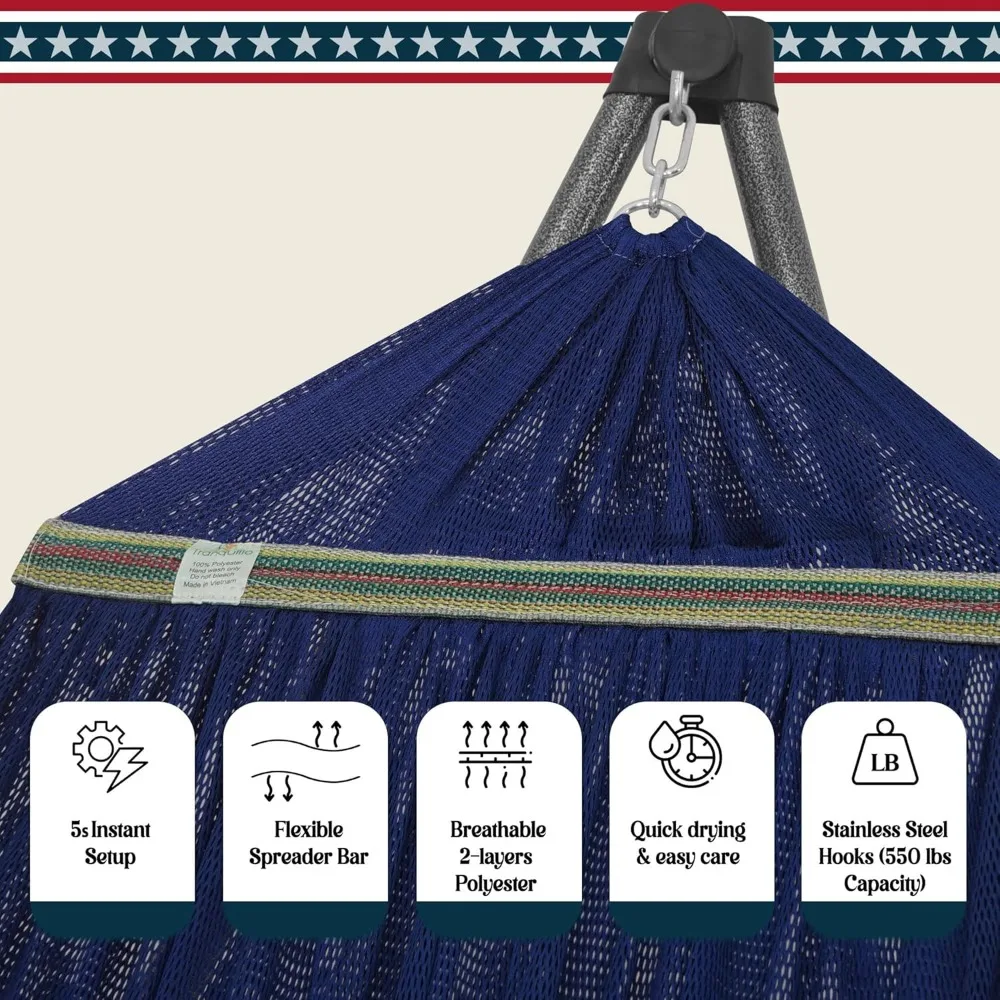
Hammocks with Integrated, Collapsible Stands
These all-in-one systems represent the pinnacle of convenience for road-trippers seeking maximum versatility. They feature engineered frames that fold down for transport but deploy into free-standing structures that support the hammock without requiring trees or other anchor points.
Most designs use aluminum frames to balance strength with weight, employing clever folding mechanisms that transform from compact travel mode to fully supportive structures in minutes. Some use X-shaped end supports while others employ telescoping poles or accordion-style folding frames.
The primary advantage is complete location independence – these systems work anywhere with reasonably flat ground, from parking areas to beaches, desert landscapes to grassy fields. This freedom comes with trade-offs in vehicle space (typical packed dimensions range from 3-4 feet long) and weight (15-30 pounds).
Setup typically takes 2-5 minutes depending on the specific design, with most requiring no tools. Price points generally fall in the premium range ($150-300), reflecting the engineering complexity and materials required.
Understanding different places to hang a hammock indoors between trips can help you get more value from these versatile systems, using them at home when not traveling.
Traditional Travel Hammocks (With Suspension Systems)
These systems represent the minimalist approach, consisting of lightweight fabric hammocks that pack down extremely small, accompanied by suspension straps for attaching to trees or other anchor points. They prioritize ultimate portability and minimal vehicle space requirements.
The hammock portion typically uses parachute nylon or ripstop polyester that compresses into a small attached stuff sack, often no larger than a softball. Modern suspension systems use tree-friendly straps with multiple attachment points, eliminating the need for complicated knots.
Their unmatched advantage is minimal packed size and weight – most systems weigh under 2 pounds and take up little more space than a water bottle. The significant limitation is their complete dependence on finding suitable anchor points approximately 10-15 feet apart.
These systems excel in wooded areas, established campgrounds, or parks with mature trees, but become unusable in treeless environments. Setup typically takes 3-7 minutes depending on anchor point availability and user experience. Their affordable price range ($30-100) makes them accessible to most travelers.
Portable Hammock Stands (Separate Components)
This modular approach pairs traditional hammocks with portable, breakdown stands designed for travel. These stands assemble on-site to create temporary hammock support structures, then disassemble for transport.
Designs range from tension-based systems using poles and guy lines to segmented frame pieces that connect into free-standing structures. Materials typically include aluminum for lighter options or steel for maximum stability.
The primary advantage is flexibility – you can use your favorite hammock anywhere without dependence on trees, while the modular nature allows replacement of individual components if damaged. The main drawbacks include more complex setup (typically 5-10 minutes) and keeping track of multiple separate pieces.
Vehicle space requirements fall between the other options, with most systems breaking down into pieces 2-3 feet in length. Price points vary widely ($75-200) depending on materials and design complexity.
Essential Buying Guide: Choosing Your Perfect Road Trip Hammock
Selecting the right folding hammock requires matching key features to your specific travel style and priorities. The perfect hammock for a cross-country expedition in a spacious SUV might differ significantly from the ideal choice for weekend getaways in a compact car.
This guide breaks down the critical factors to consider, helping you navigate the trade-offs between weight, packed size, setup convenience, comfort, and durability. By understanding how these elements align with your particular needs, you can confidently choose from our recommended options.
Understanding the best indoor and outdoor hammock locations can help inform your purchase decision by clarifying where you’re likely to use your hammock most frequently during travels.
Portability Factors: Weight and Packed Size
For road travelers, how much space a hammock occupies in your vehicle and how much it contributes to your overall load can significantly impact convenience. Consider these weight and size categories when evaluating options:
Weight Categories:
– Ultralight: Under 1 pound (0.45 kg) – Typically traditional hammocks without stands
– Standard: 1-15 pounds (0.45-6.8 kg) – Includes heavier traditional hammocks and lightweight stand systems
– Full systems: 15+ pounds (6.8+ kg) – Complete stand-integrated hammocks or separate component systems
Packed Size Considerations:
– Minimal impact: Under 10 × 6 × 6 inches (25.4 × 15.2 × 15.2 cm) – Fits in glove compartment or door pocket
– Moderate storage: Up to 24 × 8 × 8 inches (61 × 20.3 × 20.3 cm) – Requires dedicated space but fits in most vehicles
– Significant space: 30+ inches (76.2+ cm) in length – Needs planned storage location, may limit other gear
Vehicle type directly influences your optimal choice. Compact cars benefit from ultralight traditional hammocks or highly engineered folding systems. SUVs and larger vehicles can more easily accommodate complete stand systems with less concern for space efficiency.
Consider compression effectiveness – some systems include vacuum-compression stuff sacks that reduce packed size by up to 30% compared to standard storage bags.
Setup Speed and Simplicity
Quick, frustration-free setup significantly enhances your road trip experience, especially during brief stops or when arriving at a destination after a long day of driving. Consider these aspects of the setup process:
Setup Time Ranges:
– Ultra-quick: Under 2 minutes – Typically pre-assembled systems with intuitive folding mechanisms
– Standard: 2-5 minutes – Most stand-integrated systems or experienced users with traditional hammocks
– More involved: 5+ minutes – Component systems or traditional hammocks in challenging environments
The learning curve varies significantly between systems. Some intuitive designs can be mastered on first use, while others require several practice sessions to achieve efficient setup. Consider whether you’ll typically have assistance or need to manage setup solo.
Environmental factors dramatically impact setup ease – traditional hammocks require suitable anchor points, while stand systems need relatively flat ground. Some stands feature adjustable legs that accommodate uneven surfaces, a valuable feature for roadside settings.
Weather conditions also affect setup complexity. Consider how systems perform during wind, light rain, or when ground conditions are less than ideal. Systems with fewer separate pieces typically offer faster setup in challenging conditions.
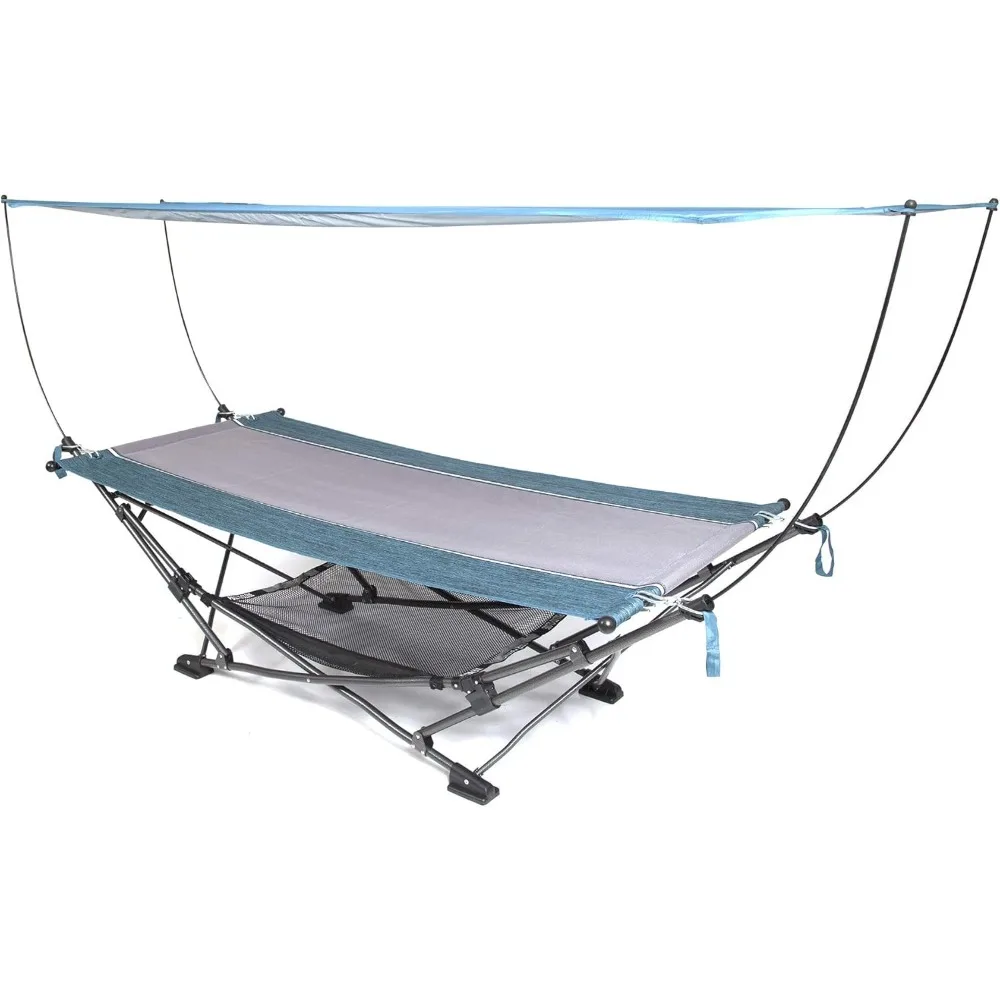
Materials and Durability for Travel Conditions
Road trip hammocks face unique challenges – frequent packing/unpacking, exposure to varying environments, and sometimes hasty handling when time is limited. Material quality directly impacts both longevity and performance:
Common Hammock Fabrics:
– Parachute nylon: Lightweight, quick-drying, and moderately durable
– Ripstop nylon: Enhanced tear resistance with reinforcement threads
– Polyester: Better UV resistance than nylon but typically heavier
– Textilene/Sunbrella: Premium weather-resistant fabrics for high-end systems
Frame Materials:
– Aluminum: Lightweight with good strength-to-weight ratio but more prone to bending
– Steel: Maximum stability and durability but significantly heavier
– Composite: Emerging materials offering unique benefits but typically at premium prices
Weather resistance becomes particularly important during extended road trips. Look for UV-stabilized fabrics that resist fading and degradation from sun exposure. Water-resistant treatments help during unexpected light rain, though most portable hammocks aren’t designed for prolonged wet conditions.
Understanding hammock load capacity helps ensure your selected system will safely support users without compromising structural integrity over time.
For hammocks with stands, connection points and hinges represent potential failure points. Quality systems use reinforced pivot points and locking mechanisms designed to withstand repeated use.
Comfort Features for Road Trip Relaxation
The relaxation quality your hammock provides directly impacts its value during road trips. Several design elements significantly influence comfort:
Key Comfort Factors:
– Dimensional generosity: Length at least 8 feet (244 cm) and width 4+ feet (122+ cm) allows diagonal positioning
– Fabric texture: Smooth, non-abrasive materials enhance comfort against skin in warm weather
– Edge design: Reinforced edges prevent uncomfortable bunching while supporting optimal weight distribution
– Suspension angle: Systems that facilitate 30-degree suspension angles provide flatter, more ergonomic positioning
– Fabric stretch: Slight elasticity can enhance comfort by conforming to body contours
Size directly affects comfort, particularly for taller users. Most adults need hammocks at least 2 feet (61 cm) longer than their height for optimal positioning. Width becomes especially important for side-sleepers or those who prefer a flatter lay.
Diagonal lying technique – positioning your body at an angle across the hammock rather than end-to-end – creates a significantly flatter, more comfortable position. Quality hammocks provide sufficient width to facilitate this technique.
Premium comfort features might include integrated pillows, padded sections for pressure points, or spreader bars that create flatter sleeping surfaces while maintaining stability.
Weight Capacity and User Considerations
Safety and comfort both depend on selecting a hammock system with appropriate weight capacity for intended users:
Capacity Categories:
– Single capacity: 250-300 pounds (113-136 kg) – Suitable for most individual adults
– Enhanced single: 300-400 pounds (136-181 kg) – Provides extra margin for larger individuals
– Double/shared: 400-500+ pounds (181-227+ kg) – Accommodates two adults with safety margin
Industry best practice recommends staying at least 50-75 pounds (22.7-34 kg) below the stated maximum capacity for optimal safety and longevity. Manufacturers typically test to failure and then set ratings with some margin included.
For taller users (over 6 feet/183 cm), length becomes particularly important. Seek hammocks with at least 8.5 feet (259 cm) of fabric length to allow proper positioning without compression at the shoulders and feet.
Stand stability correlates directly with weight capacity. Higher-capacity stands typically feature wider bases, stronger materials, and additional bracing. Consider the stability-to-portability ratio when evaluating stand-based systems.


Camping Hammock Sets with Bug Net, Ultralight Camping Hammock Sets
$139.72 Select options This product has multiple variants. The options may be chosen on the product page
Folding Hammock Sets, Quick Setup Hammock Sets
Price range: $305.52 through $583.27 Select options This product has multiple variants. The options may be chosen on the product page
Camping Hammock Sets with Bug Net, Complete Camping Hammock Systems
Price range: $82.73 through $97.96 Select options This product has multiple variants. The options may be chosen on the product page
Lightweight Hammock Sets, Spreader Bar Hammock Sets
$292.43 Select options This product has multiple variants. The options may be chosen on the product page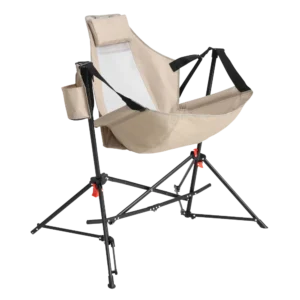
Folding Hammock Sets, Lightweight Hammock Sets
$295.80 Select options This product has multiple variants. The options may be chosen on the product page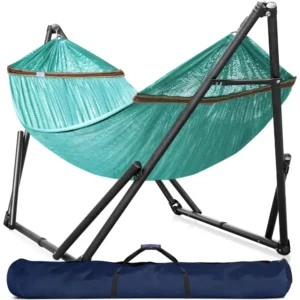
Double / Two Person Hammock Sets, Folding Hammock Sets, Heavy Duty Hammock Sets
Price range: $323.71 through $486.23 Select options This product has multiple variants. The options may be chosen on the product page
Additional Features and Accessories
The right accessories can dramatically enhance your road trip hammock experience, adapting the basic system to different environments and needs:
Essential Accessories:
– Tree-friendly straps: Wide (1+ inch/2.5+ cm) webbing that protects bark while providing secure attachment
– Insect protection: Integrated or add-on bug nets for areas with mosquitoes and other pests
– Rain protection: Lightweight tarps or rain flies that create sheltered areas during unexpected showers
– Storage solutions: Attached pockets or gear lofts that keep essentials accessible while relaxing
– Stabilization systems: Underquilts, top quilts or ridge lines that enhance stability and comfort
Consider whether integrated features or separate accessories better suit your travel style. Integrated systems offer convenience but less flexibility, while modular approaches allow customization for specific environments at the cost of keeping track of more pieces.
Protection from insects becomes crucial in many environments. Camping hammocks with built-in bug protection provide seamless defense against mosquitoes and other pests without compromising comfort or requiring additional setup.
Weather-specific accessories extend hammock usability across different conditions. Underquilts provide critical insulation for cooler temperatures by preventing heat loss from compression, while rain flies create protected spaces during light precipitation.
Storage solutions prevent small items from getting lost and keep essentials accessible. Look for integrated pockets or attachment points for add-on organizers designed specifically for hammock use.
Budget Considerations and Value Assessment
Hammock prices vary dramatically based on design complexity, materials, and included features. Understanding the value proposition across different price points helps make informed decisions:
Price Categories:
– Budget: $30-75 (€27-68) – Basic traditional hammocks with simple suspension
– Mid-range: $75-150 (€68-136) – Quality traditional systems with premium features or basic stand systems
– Premium: $150+ (€136+) – High-end integrated systems, innovative designs, or complete component packages
Value assessment should consider frequency of use, durability expectations, and specific feature requirements. Occasional users might find budget options perfectly adequate, while frequent travelers often benefit from investing in premium systems that offer better durability and convenience.
Consider the “cost per use” calculation – dividing the purchase price by anticipated number of uses over the product’s lifetime. For regular road-trippers, premium systems often provide better long-term value despite higher initial costs due to enhanced durability and more consistent performance.
Warranty coverage varies significantly between brands and often correlates with price point. Premium manufacturers typically offer more comprehensive protection against defects and premature failure, adding value beyond the physical product.
Maximizing Your Road Trip Hammock Experience
Integrating a folding hammock into your road trip routine can transform ordinary travel into extraordinary experiences. With the right approach, even brief highway rest stops can become rejuvenating breaks that enhance your overall journey.
The key to maximizing hammock enjoyment lies in thoughtful planning combined with spontaneity – knowing what locations work best while remaining open to unexpected opportunities. The following sections provide practical guidance for incorporating your hammock into diverse road trip scenarios.
Perfect Road Trip Locations for Hammock Setup
The ideal hammock location balances practical requirements with experiential factors. Consider these location categories when planning hammock breaks:
Designated Recreation Areas:
– State and national park rest areas with established picnic grounds
– Scenic overlooks with sufficient space beyond parking areas
– Campgrounds (even during day-use without staying overnight)
– Roadside parks specifically designed for traveler breaks
Opportunistic Locations:
– Highway rest areas with trees or open green spaces
– Public beaches with appropriate regulations
– Urban parks during multi-day city visits
– Hotel balconies or courtyards during overnight stays
When assessing potential locations, consider these key factors:
– Shade availability for comfort during warmer conditions
– Ground surface quality (avoid rocky or extremely uneven areas for stand systems)
– Proximity to restrooms and other amenities for longer relaxation sessions
– Sufficient space to maintain appropriate distance from other visitors
– Protection from excessive wind that could affect stability
For traditional hammocks, look for healthy trees approximately 10-15 feet (3-4.5 meters) apart with trunks at least 8 inches (20 cm) in diameter. Stand-based systems require relatively flat ground approximately 8×4 feet (2.4×1.2 meters).
Always respect local regulations and private property boundaries. Many locations have specific rules regarding hammock use to protect natural resources and ensure visitor safety.
Quick-Start Setup Guide for Different Scenarios
Efficient setup procedures help maximize relaxation time during limited breaks. These streamlined approaches address common road trip scenarios:
Stand-Based System Quick Setup:
1. Select a flat area clear of sharp objects and overhead hazards
2. Remove system from carrying case and identify main frame components
3. Unfold/extend the main support structure according to design
4. Lock frame components into their fully extended positions
5. Attach hammock fabric if not already integrated
6. Test stability with partial weight before full entry
Traditional Hammock Express Setup:
1. Identify suitable trees with appropriate spacing and strength
2. Wrap tree straps around trunks at approximately waist height
3. Attach hammock ends to straps using included carabiners or hooks
4. Adjust height and tension for appropriate sag (30-degree angle from horizontal)
5. Test connection points before full entry
For uneven terrain with stand systems, start with the highest side first, then adjust lower legs as needed. Some premium stands include individually adjustable legs specifically for this scenario.
When dealing with imperfect anchor points for traditional hammocks, prioritize safety over optimal hanging angle. It’s better to adjust your lying position than risk anchor failure.
For efficient repeated setup throughout a trip, maintain a consistent packing order in your vehicle. Store all components in their designated carrying case immediately after use to prevent lost pieces.
Essential Accessories for Enhanced Hammock Breaks
The right accessories transform basic hammock relaxation into optimized road trip experiences tailored to different environments:
Core Accessory Categories:
– Weather protection: Lightweight tarps provide sun protection and shelter during light rain
– Comfort enhancers: Compact pillows or inflatable headrests improve neck support
– Convenience items: Cup holders, phone mounts, or book stands keep essentials accessible
– Environmental adapters: Insect nets, rain covers, or underquilts extend usability in varying conditions
For minimal vehicle impact, prioritize multi-purpose accessories. For example, a lightweight blanket can serve as both a hammock pad for comfort and extra warmth during cooler stops.
Portable lighting options extend hammock usability into evening hours at overnight stops. Look for lightweight LED systems that attach directly to hammock suspension points or nearby structures.
Hammock relaxation pairs perfectly with road trips to lightweight folding hammocks for parks and picnics. Consider creating a dedicated “hammock kit” that combines your folding hammock with essential accessories in a single grab-and-go container for spontaneous relaxation opportunities.
Top 8 Questions About Folding Hammocks for Road Trips
1. What hammock options work without trees or anchor points?
Hammocks with integrated stands or separate portable stand systems work independently of environmental supports. These self-contained options set up on any reasonably flat surface and pack down for transport. Look for systems specifically designed for travel with folding frames rather than those meant primarily for backyard use.
2. How much vehicle space do folding hammocks typically require?
Traditional fabric hammocks with straps can pack smaller than a water bottle, while stand-integrated systems typically require space equivalent to a folded camp chair or small tent. The most compact complete systems with stands measure approximately 30-40 inches (76-102 cm) in their longest dimension when packed, fitting in most vehicle trunks without significant space impact.
3. Are hammocks comfortable enough for actual sleeping during overnight stops?
Many travelers successfully sleep in hammocks during overnight road trip stops. For sleeping rather than lounging, look for wider hammocks (at least 5 feet/152 cm) that allow diagonal positioning for a flatter lay. Traditional fabric hammocks typically provide better overnight comfort than rigid spreader-bar designs. Consider adding an underquilt for insulation if temperatures drop below 70°F (21°C).
4. What’s the average setup time for different folding hammock types?
Setup times vary significantly: premium stand-integrated systems typically deploy in 1-3 minutes; traditional hammocks with straps require 3-5 minutes with suitable trees; component-based portable stands generally take 5-10 minutes. Experience dramatically improves setup speed – most users cut their initial setup time in half after several practices.
5. How do folding hammocks compare to traditional camping chairs for road trips?
Hammocks provide superior comfort by eliminating pressure points and supporting your entire body. They typically offer better relaxation quality but potentially less convenience than chairs for activities like eating. Many road-trippers bring both – chairs for meals and practical tasks, hammocks for genuine relaxation and potential napping.
6. What weight capacity should I look for if I’m above average size?
For users over 200 pounds (91 kg), look for hammocks rated at least 350 pounds (159 kg) to provide an adequate safety margin. Double hammocks often offer increased width and higher weight ratings (typically 400-500 pounds/181-227 kg). With stand systems, verify both the hammock fabric and frame have appropriate ratings.
7. Can folding hammocks withstand constant packing and unpacking during trips?
Quality hammock systems are designed for repeated deployment. Look for reinforced stitching at stress points, quality zippers on storage bags, and durable connection hardware. Premium options often use marine-grade components specifically selected for resistance to corrosion and fatigue through hundreds of setup cycles.
8. What hammock features are worth paying extra for on road trips?
The most valuable premium features for road-trippers include quick-deploy stand mechanisms, integrated carrying cases with shoulder straps, reinforced connection points for durability, and weather-resistant materials. For traditional hammocks, built-in stuff sacks and included tree-friendly straps justify higher costs by eliminating the need for separate purchases.