
1. Introduction: The Importance of Sun Protection for Hammock Enthusiasts
There’s nothing quite like relaxing in a hammock on a beautiful sunny day—the gentle swaying, the fresh air, and the sense of escape from everyday stresses. However, this idyllic experience often comes with an overlooked risk: prolonged exposure to harsh sunlight. Without proper protection, your peaceful retreat can quickly turn uncomfortable and potentially harmful.
Sun exposure is no small concern—with skin cancer affecting millions each year due to UV radiation, protection during outdoor leisure activities becomes essential rather than optional. But the sun doesn’t just affect your skin; it impacts both your comfort and the lifespan of your hammock investment.
This guide explores how hammock canopies provide a triple benefit: protecting your skin from harmful rays, enhancing your comfort during relaxation sessions, and extending the life of your hammock by preventing material degradation. We’ll cover everything from how sun affects hammock materials to selecting the ideal canopy for your specific needs.
At Outside Luxe, we believe that premium relaxation shouldn’t come with compromise. Understanding the relationship between indoor and outdoor hammock placement and proper sun protection is essential for creating your perfect relaxation sanctuary.
2. How Sun Affects Hammock Users and Equipment
When you settle into your hammock for a relaxing afternoon, the sun impacts both you and your equipment in several significant ways.
Effects on Hammock Users
- UV Radiation Damage: Both UVA and UVB rays penetrate the skin, causing immediate sunburn and contributing to long-term skin damage and increased cancer risk.
- Heat Discomfort: Direct sun exposure quickly raises body temperature, leading to excessive sweating, dehydration, and heat exhaustion that cuts short your relaxation time.
- Eye Strain: Bright sunlight creates glare that makes reading nearly impossible and causes eye fatigue, headaches, and diminished enjoyment.
Effects on Hammock Materials
- Fabric Degradation: UV exposure breaks down the molecular structure of most hammock fabrics, reducing tensile strength by 30-50% after just one season of regular sun exposure.
- Color Fading: Vibrant colors become dull and faded, with some materials showing noticeable bleaching after just 100 hours of direct sunlight.
- Reduced Lifespan: The combination of weakened fibers and material brittleness can cut a hammock’s useful life in half when consistently exposed to direct sunlight.
Research shows that even high-quality hammocks can lose up to 60% of their original strength after 500 hours of continuous sun exposure—roughly equivalent to one summer of weekend use. This degradation happens regardless of visible fading, meaning your hammock could look acceptable while being structurally compromised.
Understanding how materials respond to sun exposure is vital when considering hammock fabric durability and making informed decisions about protection options.
3. The Mechanisms of Hammock Canopy Sun Protection
Physical Shade Creation
Hammock canopies create a physical barrier that intercepts direct sunlight before it reaches you and your hammock. This simple blocking mechanism is remarkably effective—ambient temperatures under a quality canopy can be 10-15°F (5-8°C) cooler than surrounding areas. This temperature difference isn’t just about comfort; it creates a microclimate that prevents heat-related discomfort that often cuts hammock sessions short.
UV Radiation Shielding
Beyond visible light, canopies protect against invisible ultraviolet radiation through several mechanisms:
Quality canopy materials absorb UV radiation and convert it to heat that dissipates away from the hammock area. Many premium fabrics incorporate specialized polymers or treatments that reflect UV rays, preventing them from penetrating to the protected space below. The physical density of tightly woven canopy fabrics provides a mechanical barrier that scatters and diffuses harmful radiation.
Glare Reduction
By blocking direct sunlight, canopies significantly reduce the harsh glare that makes reading or relaxing with open eyes uncomfortable. This diffused light environment is gentler on the eyes, allowing for activities like reading, using devices, or simply enjoying the surroundings without squinting or eye strain.
Light Filtration Benefits
The most sophisticated canopies don’t block all light—they selectively filter it. This selective filtration:
– Allows pleasant, ambient light to create a welcoming environment
– Blocks the harshest wavelengths that cause damage and discomfort
– Creates a visually appealing space with natural illumination without the harmful effects
When choosing the perfect outdoor fabric hammock, understanding how canopies complement your selection with protective properties ensures a complete relaxation system rather than just an accessory.
4. Essential Materials for Effective Sun-Protective Hammock Canopies
Premium UV-Resistant Fabrics
The foundation of any effective hammock canopy is its base material, which must balance durability, weight, and protective properties:
- Polyester Variations: Solution-dyed polyester offers exceptional UV resistance, with fibers colored before weaving, preventing fading. Ripstop polyester incorporates reinforcement threads that prevent tears while maintaining lightweight properties.
- Specialized Nylon Blends: Though typically less UV-resistant than polyester, treated nylon offers excellent strength-to-weight ratios for portable canopies. Some premium nylon blends now incorporate UV-stabilizing additives.
- Performance Outdoor Fabrics: Professional-grade options include Olefin (known for colorfast properties), Panama Weave (tight construction for maximum UV blocking), and DuraCord (combining cotton-like feel with synthetic durability).
Protective Coatings and Treatments
Base materials often receive additional treatments that significantly enhance their protective qualities:
- Polyurethane (PU) Coating: Creates a durable, water-resistant layer that also enhances UV protection by up to 25%.
- Silver-Lining Technology: Applied to the underside of canopies, reflects heat and harmful rays away from the user.
- Black Rubber Coatings: Used on top surfaces to absorb maximum UV radiation before it can penetrate the fabric.
Material Density and Construction
The physical construction of the fabric plays a crucial role in protection:
- Higher thread counts (200+ threads per inch) create tighter barriers against UV penetration
- Double or triple-layer constructions offer significantly improved protection
- Specialized weave patterns like Oxford weave or twill create additional physical barriers
Color Selection Impact
Color isn’t just an aesthetic choice—it directly impacts protection:
- Dark colors absorb more UV radiation before it penetrates through to the user
- Light colors reflect more heat, keeping the area beneath cooler
- Some specialized pigments offer enhanced UV blocking while maintaining lighter colors
For more comprehensive weather protection beyond just sun, consider the materials used in weatherproof A-frame hammock designs, which often incorporate the most advanced protective elements available.
5. Understanding UPF Ratings in Hammock Canopies
UPF Definition and Testing Standards
Ultraviolet Protection Factor (UPF) measures how effectively a fabric blocks ultraviolet radiation. Unlike SPF (Sun Protection Factor) used for sunscreen, UPF specifically applies to fabrics and measures protection against both UVA and UVB rays. The rating is determined through laboratory testing where fabrics are exposed to controlled UV radiation, and the amount that penetrates through is measured precisely.
UPF Rating Scale and Protection Levels
| UPF Rating | Protection Level | UV Blocked | UV Penetration |
|---|---|---|---|
| 15-20 | Good | 93-95% | 5-7% |
| 25-30 | Very Good | 96-97% | 3-4% |
| 40-50+ | Excellent | 98-99%+ | Less than 2% |
Most quality hammock canopies start with a minimum UPF 30 rating, while premium options typically offer UPF 50+ for maximum protection. For perspective, a standard white cotton T-shirt typically provides only UPF 5-8 protection.
Factors Affecting UPF Performance
A canopy’s rated UPF can be affected by several real-world conditions:
- Washing and Wear: Some treatments gradually diminish after repeated cleaning, potentially reducing protection by 5-10% after multiple wash cycles.
- Stretching and Tension: Overstretching a canopy fabric can spread the weave, potentially reducing its UPF rating by creating small gaps in protection.
- Moisture and Wetness: Some fabrics maintain their UPF when wet, while others may experience up to a 30% reduction in protection when saturated.
Understanding these ratings helps when shopping for hammock sets with canopies to ensure you’re getting appropriate protection for your specific needs and environment.
6. Key Design Features That Maximize Sun Protection
Canopy Shape and Coverage
The physical design of your hammock canopy dramatically impacts its protective capabilities:
- Curved vs. Flat Designs: Curved canopies provide consistent protection as the sun moves, while flat designs may require repositioning throughout the day.
- Optimal Coverage Measurements: For complete protection, canopies should extend at least 12-18 inches (30-45 cm) beyond all edges of the hammock to account for sun angle changes and user movement.
- Edge Design: Scalloped or extended edges on premium canopies provide additional morning and evening protection when the sun is at lower angles.
Adjustability Mechanisms
Adaptable canopies offer superior protection throughout changing conditions:
- Tilting Systems: Allow users to angle the canopy to block direct sunlight as the sun moves across the sky.
- Height Adjustments: Raising or lowering the canopy changes the shade footprint, optimizing protection during different times of day.
- Rotational Capabilities: Some advanced systems allow the entire canopy to rotate, tracking the sun’s path without moving the hammock itself.
Positioning Considerations
Strategic setup dramatically enhances protection:
- Sun Path Awareness: Positioning the hammock with the canopy oriented to block the harshest midday sun (typically from the south in the Northern Hemisphere).
- Seasonal Adjustments: Accounting for the sun’s seasonal position changes to maintain protection year-round.
Ventilation Features
Effective canopies balance protection with comfort:
- Air Flow Channels: Strategic openings or mesh panels allow heat to escape while maintaining UV protection.
- Layered Designs: Create insulating air pockets that reduce heat transfer while maintaining protection.
Understanding these design elements is particularly important when considering whether to leave your hammock outside permanently, as proper canopy design extends protection beyond just sun to include various weather elements.
7. Types of Hammock Canopies and Their Sun Protection Characteristics
Integrated Canopies
Built directly into the hammock system, these offer consistent protection with streamlined design:
- Design Features: Permanently attached to hammock stands or frames, often with matching aesthetic elements
- Coverage Consistency: Typically designed specifically for the hammock dimensions, providing precise coverage
- Protection Level: Usually offer UPF 40-50+ ratings using premium materials like solution-dyed polyester
- Adjustment Capacity: Often include tilting or sliding mechanisms to adjust for sun position
Portable Tarp Systems
Lightweight, versatile options popular with campers and travelers:
- Setup Flexibility: Can be positioned in multiple configurations based on sun angle and environmental conditions
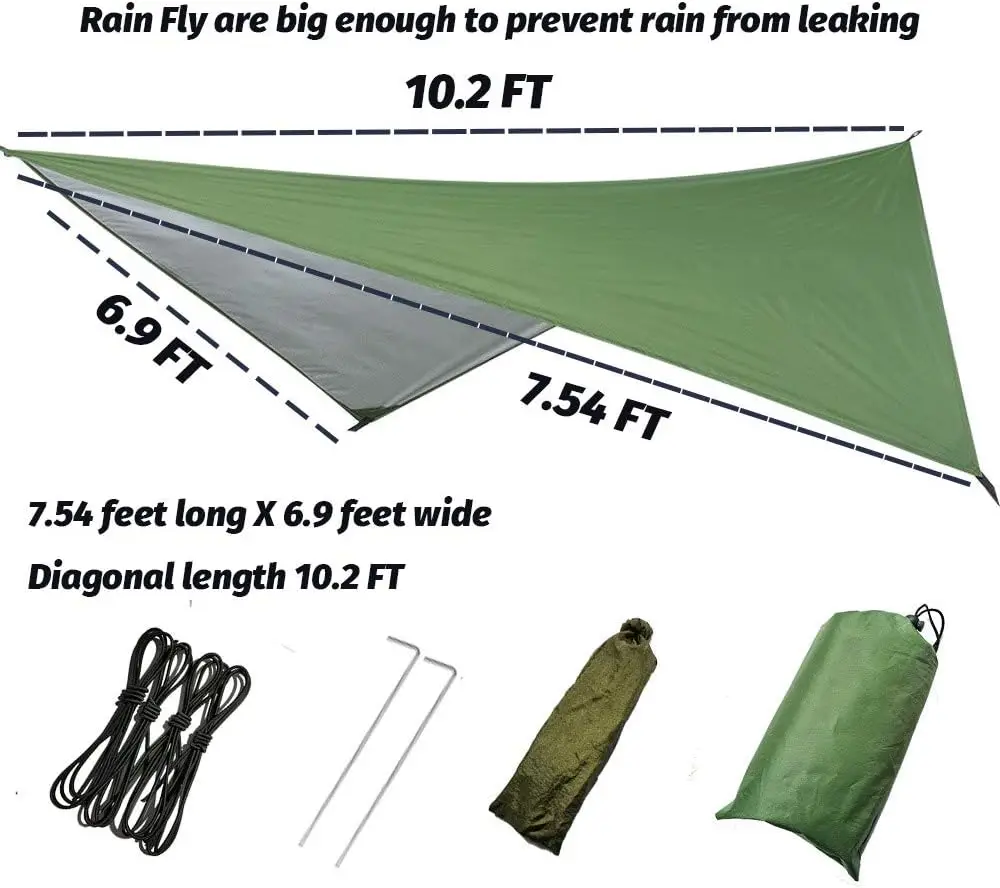
- Material Options: Typically use lightweight ripstop nylon or polyester with silicone or PU coatings
- Protection Balance: Balance weight considerations with protection, often achieving UPF 30-40
- Multi-purpose Use: Can double as rain protection or ground cloths when needed
Adjustable and Retractable Canopies
Offer maximum adaptability for changing conditions:
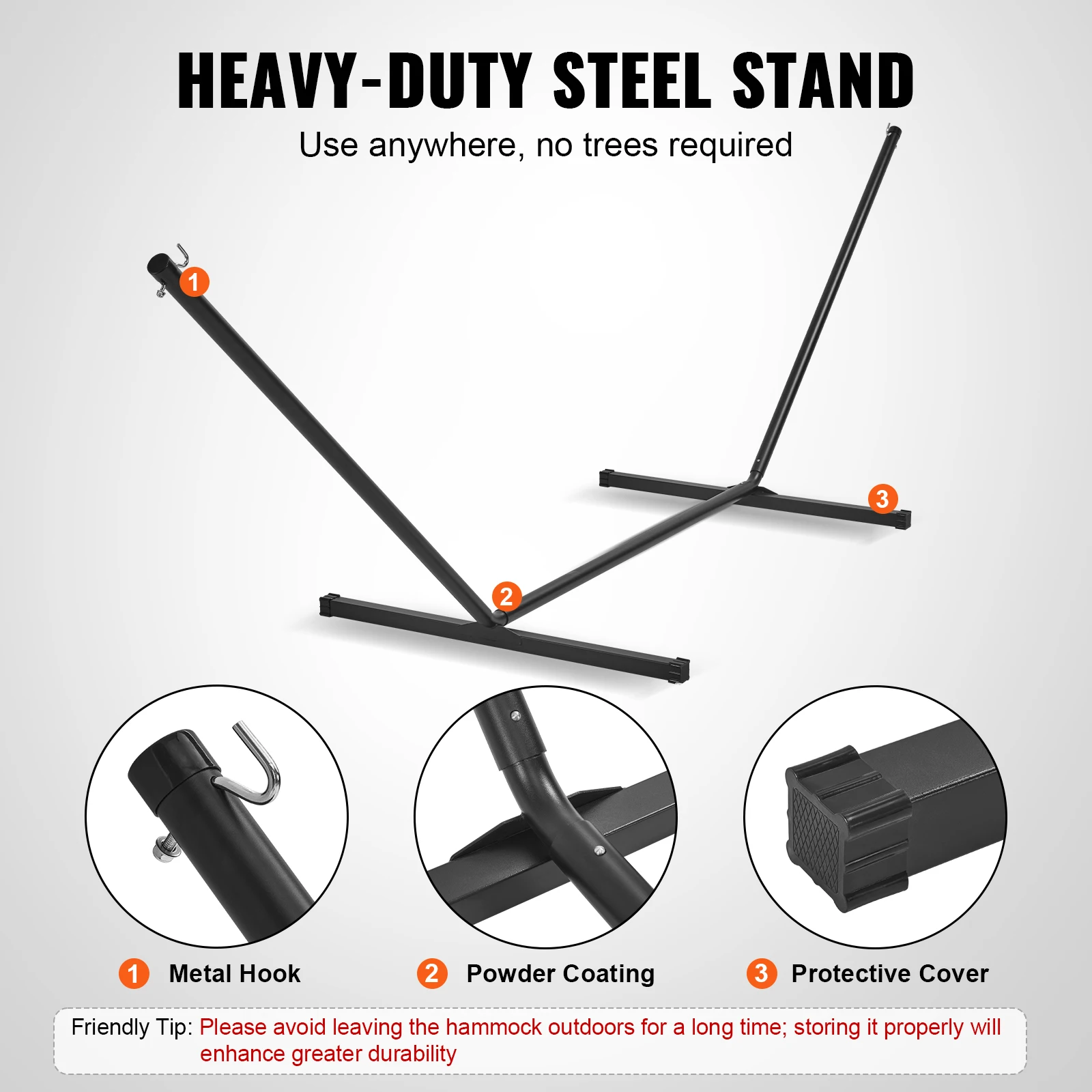
- Adjustment Mechanisms: Include sliding tracks, folding arms, or tilting brackets
- On-demand Protection: Can be deployed or retracted based on user preference and conditions
- Material Considerations: Must withstand repeated movement while maintaining protection qualities
- Durability Focus: Special attention to joint and connection points that face repeated stress
Replacement Canopy Tops
Upgrade options for existing hammock systems:
- Compatibility Factors: Designed to fit specific frame dimensions and mounting systems
- Enhancement Potential: Often offer improved protection compared to original equipment
- Material Upgrades: Frequently feature advanced fabrics not available when original hammock was purchased
- Installation Considerations: Should maintain proper tension for optimal protection and appearance
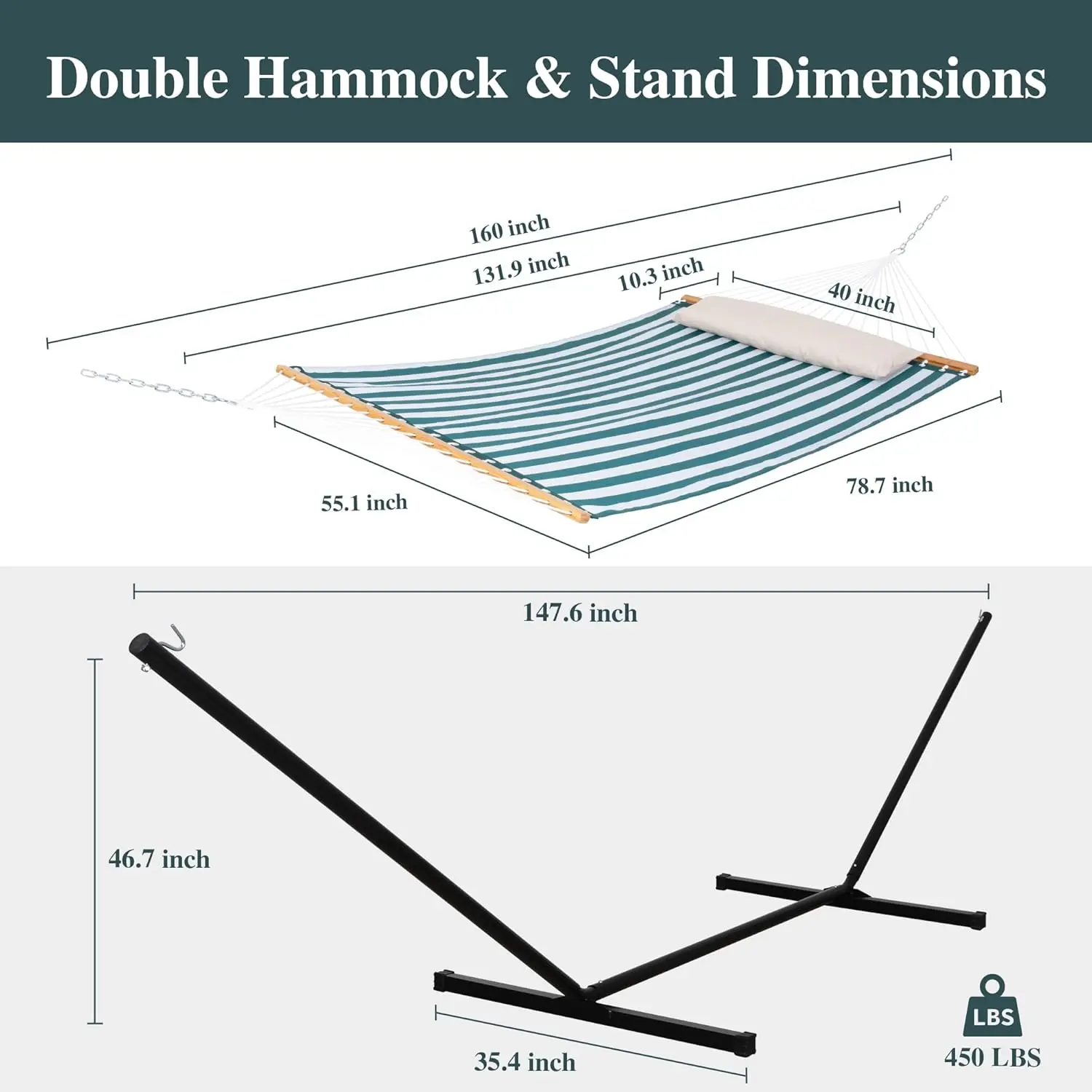
For families or couples, double two-person hammock sets often feature larger, specialized canopies designed to protect multiple users while maintaining structural integrity.
8. Additional Sun Protection Benefits of Quality Hammock Canopies
Extended Outdoor Usage Time
Quality canopies dramatically expand your hammock enjoyment window:
Users report 2-3 times longer comfortable relaxation sessions with proper canopy protection compared to unprotected hammocks. Seasonal usage extends into hotter summer months when unprotected hammocks would be too uncomfortable. Many users enjoy their protected hammocks during midday hours that would otherwise be impossible due to direct sun exposure.
Enhanced Comfort Features
Protection goes beyond safety to significantly improve the hammock experience:
- Temperature regulation creates a microclimate that’s consistently 10-15°F cooler than surrounding areas
- Reduced glare transforms the hammock into a functional space for reading or using electronic devices
- Elimination of harsh shadows creates a visually comfortable environment for relaxation
Long-term Skin Health Protection
Beyond immediate comfort, canopies provide substantial health benefits:
- Consistent protection from both UVA rays (which cause aging and long-term damage) and UVB rays (primarily responsible for sunburn)
- Reduced cumulative UV exposure during regular hammock sessions
- Protection during times of day when UV index is highest and most harmful
Weather Versatility
Quality canopies offer protection beyond just sun:
- Light rain resistance keeps users dry during brief showers
- Morning dew protection allows earlier usage without dampness
- Wind buffering creates a more stable relaxation environment
Finding the best indoor and outdoor hammock locations becomes easier with a quality canopy, as you can create suitable environments in spaces that might otherwise receive too much direct sunlight.

Camping Hammock Sets with Bug Net, Ultralight Camping Hammock Sets
$139.72 Select options This product has multiple variants. The options may be chosen on the product page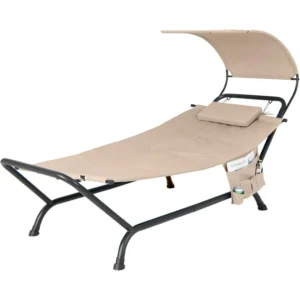
Hammock Sets with Canopy, Heavy Duty Hammock Sets
$286.31 Select options This product has multiple variants. The options may be chosen on the product page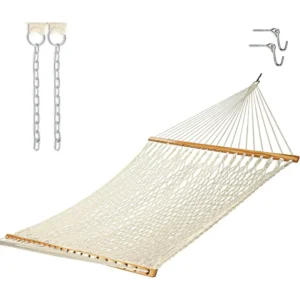
Double / Two Person Hammock Sets, Rope Hammock Sets
Double Traditional Cotton Rope Hammock with Extension Chains – 450 lbs Capacity for Backyard & Patio$292.98 Select options This product has multiple variants. The options may be chosen on the product page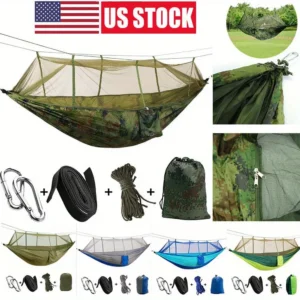
Camping Hammock Sets with Bug Net, Complete Camping Hammock Systems
Price range: $82.73 through $97.96 Select options This product has multiple variants. The options may be chosen on the product page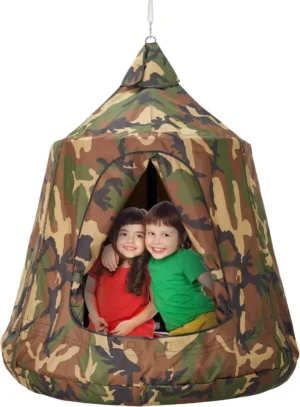

Complete Camping Hammock Systems, Hanging Egg Chair Sets
$266.73 Select options This product has multiple variants. The options may be chosen on the product page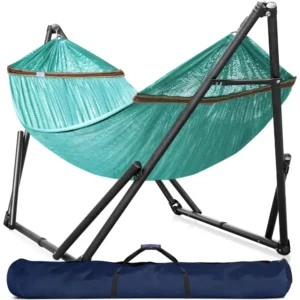
Double / Two Person Hammock Sets, Folding Hammock Sets, Heavy Duty Hammock Sets
Price range: $323.71 through $486.23 Select options This product has multiple variants. The options may be chosen on the product page
9. How to Select the Ideal Hammock Canopy for Maximum Sun Protection
Assessment of Your Primary Usage Environment
Begin your selection process by evaluating your specific situation:
- Fixed vs. Portable Needs: Determine whether you need a permanent backyard installation or a portable option for various locations.
- Local Sun Patterns: Consider your geographical location’s sun intensity and typical angles throughout the seasons.
- Usage Timing: Think about when you’ll primarily use your hammock—morning, midday, or evening sun requires different protection strategies.
Essential Features Checklist for Sun Protection
Look for these critical protection elements:
- UPF Rating: Select a minimum UPF 30 for casual use, UPF 50+ for frequent or extended sessions.
- Material Specifications: Prioritize solution-dyed polyester or treated fabrics with documented UV resistance.
- Coverage Calculations: Ensure the canopy extends at least 12-18 inches (30-45 cm) beyond all hammock edges.
- Adjustment Capabilities: Choose options with tilting, rotating, or height adjustment for adaptable protection.
Balancing Protection with Other Needs
Consider how sun protection integrates with other requirements:
- Durability Balance: More robust materials often provide better protection but may add weight.
- Weather Resistance: Look for water-repellent treatments if you’ll leave the canopy up during changing weather.
- Setup Complexity: Consider whether daily adjustment is feasible versus set-and-forget convenience.
Investment Value Perspective
Think long-term about your canopy purchase:
- Higher initial investment in quality UV-resistant materials typically results in 3-5 years of effective protection versus 1-2 seasons for budget options.
- The health protection value extends beyond the product itself to preventing potential medical costs associated with sun damage.
For users seeking portable protection, complete camping hammock systems often include integrated canopies specifically designed for versatile outdoor use in varying sun conditions.
10. Maintaining Your Hammock Canopy for Lasting Sun Protection
Cleaning Recommendations to Preserve UV Resistance
Proper cleaning maintains both appearance and protection qualities:
- Appropriate Cleaning Agents: Use mild soap and water rather than harsh chemicals that can degrade UV-resistant coatings.
- Cleaning Frequency: Perform light cleaning monthly during regular use, with deep cleaning 1-2 times per season.
- Technique Considerations: Use soft brushes or cloths for gentle cleaning; avoid abrasive scrubbing that can damage protective coatings.
Protection During Storage
Proper off-season care preserves protective qualities:
- Folding Practices: Avoid sharp creases that can damage fibers; loosely roll rather than tightly fold when possible.
- Storage Location: Choose cool, dry places away from direct sunlight and extreme temperature fluctuations.
- Moisture Prevention: Ensure canopy is completely dry before storage to prevent mold growth that can degrade materials.
Inspection Routines
Regular checks maintain protection integrity:
- Signs of UV Damage: Watch for visible color fading, material thinning, or brittleness as early warning signs.
- Replacement Timing: Most quality canopies maintain effective protection for 3-5 years of regular use before significant degradation.
- Quick Repairs: Address small tears immediately with appropriate repair kits to prevent expansion that compromises protection.
Strategic hammock placement in your home garden should account for maintenance needs, positioning your setup where regular cleaning is convenient while maximizing protection.
11. Is a Hammock Canopy Better Than Other Forms of Sun Protection?
| Protection Method | Consistency | Coverage Area | Reapplication Needed | Chemical Exposure |
|---|---|---|---|---|
| Hammock Canopy | Excellent | Complete | None | None |
| Sunscreen | Variable | Skin only | Every 1-2 hours | Yes |
| Protective Clothing | Good | Body only | None | None |
| Natural Shade | Inconsistent | Variable | Repositioning needed | None |
Unlike sunscreen that requires frequent reapplication and only protects exposed skin, a quality hammock canopy provides consistent, complete protection without chemicals. The coverage extends to your entire body and the hammock material itself, preventing both skin damage and equipment degradation.
While protective clothing can be effective, it often becomes uncomfortably warm—defeating the purpose of relaxing in a hammock. Natural shade from trees offers pleasant aesthetics but shifts throughout the day, requiring constant repositioning of your hammock for consistent protection.
Canopies excel in creating a controlled microclimate specifically designed for relaxation. However, for maximum protection during extended outdoor sessions, combining approaches—using a canopy with light protective clothing and sunscreen on exposed areas—provides comprehensive protection.
For camping environments where insects are also a concern, hammock sets with integrated bug nets offer combined protection from both sun and pests.
12. Can Hammock Canopies Provide Protection in All Weather Conditions?
Most quality hammock canopies offer water resistance rather than complete waterproofing. This distinction means they effectively repel light to moderate rain but aren’t designed for sustained heavy downpours. Typical water resistance ratings for canopy materials range from 600mm to 1500mm hydrostatic head—sufficient for brief showers but not extended storms.
Wind protection varies significantly based on design and installation. Most fixed canopies can withstand winds up to 15-20 mph (24-32 km/h) when properly secured, while portable systems typically have lower wind tolerance. Features like wind vents and aerodynamic designs help reduce wind load on the structure.
Temperature management works both ways—canopies not only block hot sun but also help retain some warmth during cooler evenings by reducing radiant heat loss. This dual benefit extends seasonal usage in many climates.
For comprehensive weather protection, look for canopies with:
– Taped seams to prevent water penetration at stitching points
– Reinforced anchor points for wind stability
– UV-stabilized materials that resist degradation from combined sun and moisture exposure
For adventurous users, ultralight camping hammock systems often feature specialized canopies designed to balance minimal weight with maximum weather protection.
13. How Does Canopy Color Affect Sun Protection and Heat Management?
Canopy color creates a fascinating balance between UV protection and heat management. Darker colors (navy, black, forest green) typically provide superior UV protection by absorbing more radiation before it can penetrate through to the user. Tests show dark canopies can block 5-10% more UV radiation than identical light-colored versions.
However, this superior UV protection comes with a trade-off: dark colors absorb more heat, potentially raising the temperature under the canopy by 3-5°F (1.5-2.5°C) compared to lighter options. This creates an important decision point based on your primary concerns and local climate.
For hot, sunny climates, medium-toned colors (tan, light blue, sage green) often provide the best balance—offering strong UV protection while reflecting enough heat to maintain comfort. Some manufacturers now offer specialized reflective coatings on darker fabrics to combine maximum UV protection with improved heat management.
A common misconception is that color directly correlates with UPF rating—while color impacts protection, the base material and construction have more significant effects on the overall protection level.
When installing your hammock system, proper hammock installation safety should account for the canopy color’s heat properties, potentially adjusting height or ventilation accordingly.
14. When Should You Replace Your Hammock Canopy for Optimal Protection?
The protective qualities of hammock canopies inevitably degrade over time, primarily due to UV exposure—ironically, the very thing they’re designed to block. Most high-quality canopies maintain their rated UPF protection for approximately 2-3 years of regular use before significant degradation occurs.
Watch for these key indicators that it’s time for replacement:
- Visible fading or color change, particularly if uneven across the canopy surface
- Fabric that feels thinner or less substantial when touched
- Small holes or tears that weren’t present initially
- Noticeable increase in light penetration when viewed from underneath
- Material brittleness or loss of flexibility
Material lifespan varies significantly: solution-dyed polyester typically maintains protection for 3-5 years, standard polyester for 2-3 years, and untreated nylon for just 1-2 seasons of regular use.
From a cost perspective, timely replacement makes financial sense. A degraded canopy not only fails to protect you but also allows accelerated damage to the hammock itself—often costing 3-4 times more than the canopy alone. This creates a compounding expense beyond just replacing the canopy.
For comprehensive protection of your entire hammock system, review our indoor and outdoor hammock safety guide which covers all aspects of hammock maintenance, including canopy replacement timing.